Do Chickens Like Rain? Understanding Rain, Cold Exposure, and Chicken Health
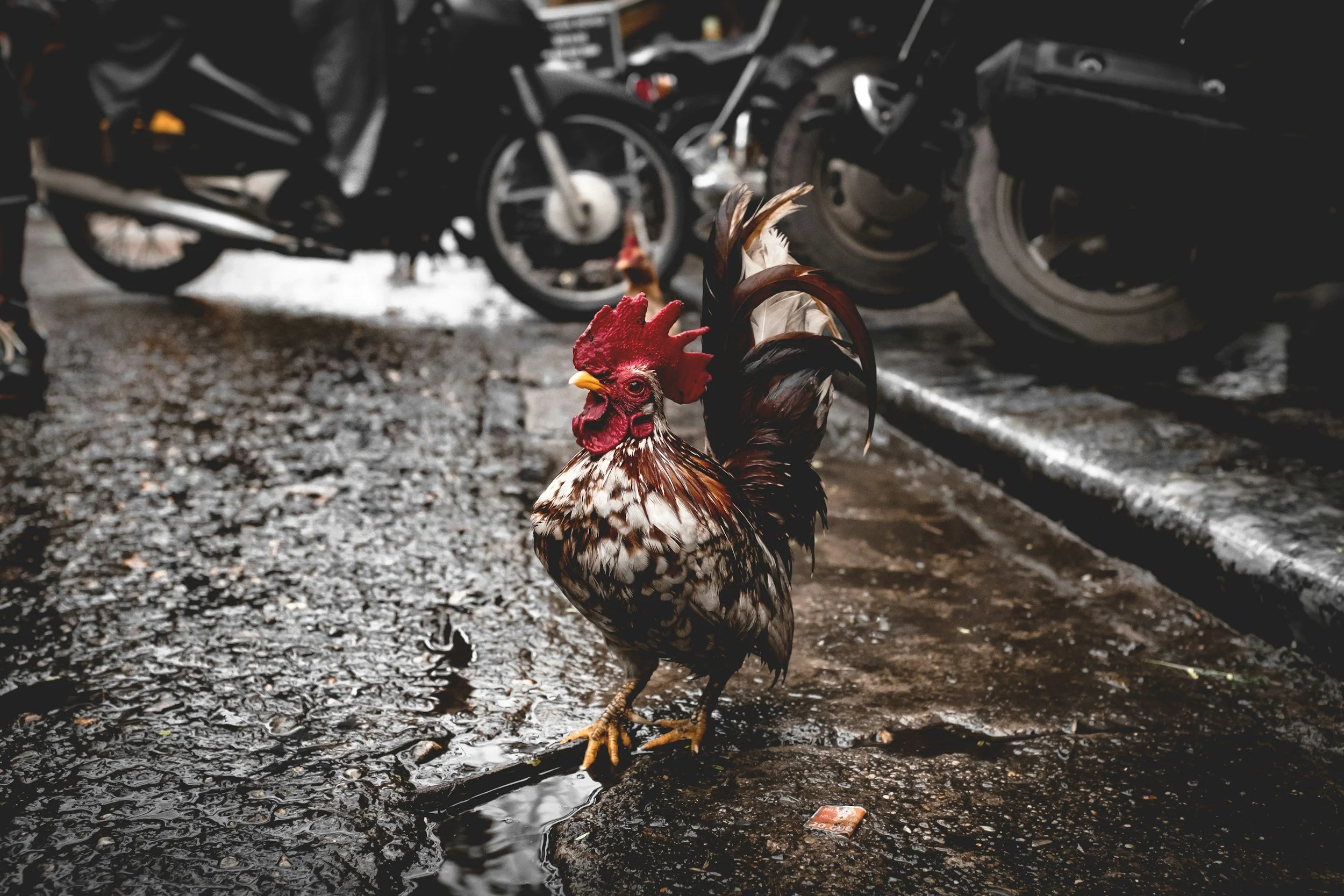
Many backyard chicken keepers wonder if chickens enjoy the rain. Generally speaking, most chickens do seem to tolerate light rain and may even continue foraging during a drizzle. However, when the rain becomes heavy, chickens will usually seek shelter on their own.
While occasional exposure to rain is not harmful, prolonged exposure without the ability to dry off can lead to health problems over time.
Why Constant Rain Can Be Harmful to Chickens
Repeated exposure to rain without proper shelter can eventually lead to:
Respiratory issues
Fungal infections in feathers
Weakened immune function
Fungal infections often develop at the base of the feather follicle, where they can go unnoticed for quite some time.
A simple way to think about it is this:
You might enjoy running through a sprinkler to cool off, but standing under a heavy stream of water for hours would quickly become uncomfortable. Chickens experience something similar.
Prolonged exposure to heavy rain creates stress in the bird’s body. This stress causes the production of corticosteroids, which can suppress the immune system and leave chickens more vulnerable to disease.
Make it stand out
Whatever it is, the way you tell your story online can make all the difference.
Chickens Handle Cold Better Than Heat
Interestingly, chickens are far more tolerant of cold temperatures than extreme heat.
A body temperature above 113°F can cause death due to overheating.
Chickens can survive body temperatures dropping as low as 75°F, which is just above the threshold for death from cold exposure.
The normal body temperature for chickens ranges between:
105°F – 107°F
Baby chicks are slightly cooler and typically have a body temperature of about:
103°F – 104°F
The Risk of Hypothermia in Chickens
Cold rain combined with cold air temperatures can rapidly lower a chicken’s core body temperature.
When chickens cannot dry off or warm up, they may become hypothermic very quickly. Once hypothermia begins, symptoms can appear rapidly and death may occur within 1 to 1½ hours if the bird cannot recover.
Symptoms of Hypothermia in Chickens
Signs of hypothermia include:
Shaking or shivering
Low core body temperature
Pale or bluish comb
Pale sinus tissues
Slow, labored breathing
Skin appearing bluish
If these symptoms appear, the bird needs immediate warmth and protection from the elements.
Why Shelter Is Essential for Free-Range Chickens
In my opinion, free-range chickens should always have access to adequate shelter.
Shelter serves several important purposes:
Protection from heavy rain and cold weather
A place for birds to dry off and regulate body temperature
Safety from aerial predators such as hawks and owls
Providing reliable shelter allows chickens to stay healthy while still enjoying the benefits of free ranging.
✅ Key Takeaway:
Chickens may tolerate light rain, but prolonged exposure to cold rain and wind can quickly become dangerous. Ensuring your flock has proper shelter is one of the most important steps in protecting their health.